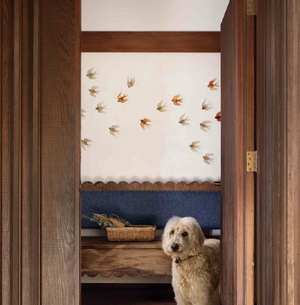
Alward Construction and John Ekin Dinwiddie: Berkeley House

Image: Berkeley House; Photographer; Russell Abraham
Alward Construction collaborated with Olson Kundig Architects on the remodel of a Berkeley Hills residence originally designed in 1951 by modernist architect John Ekin Dinwiddie. Commissioned by Bernice Lucas Dinwiddie, the widow of his brother William Starrett Dinwiddie, the house was sited dramatically along a ridgeline to capture expansive views across the Bay. Dinwiddie’s work is closely associated with the Californian expression of mid-century modernism—an approach shaped by his European-influenced training and rooted in regional building traditions. The home's bold siting, clean structural expression, and seamless engagement with the hillside exemplify the era’s embrace of indoor–outdoor living.

Image: Grace Cathedral; Photographer, Chris Zero Six
Dinwiddie was born in 1902 in Chicago, Ill. His family relocated to the San Francisco Bay Area when he was a youth. His father, William S. Dinwiddie Sr., founded Dinwiddie Construction in 1911 after the 1906 San Francisco earthquake; the firm became a significant West Coast builder, constructing such iconic works as Grace Cathedral. Growing up in a family tied to construction exposed the younger Dinwiddie to architecture and the building trades early — a background that influenced his career path. He studied architecture under Eliel Saarinen at the University of Michigan, earning his B.Arch in 1925.
As a recipient of the Booth Travelling Fellowship, Dinwiddie studied in Europe, exploring a range of architectural styles from classical to early modernist. After finishing his studies, he worked as an architectural designer in New York City before moving to San Francisco and beginning private practice in 1930. His career included partnerships with Albert Henry Hill and Erich Mendelsohn as well as solo practice. Dinwiddie was one of the architects showcased at the Museum of Modern Art in New York’s 1943 exhibit Five California Houses. He passed away in 1959 at the age of 56, leaving behind a legacy of modernism.
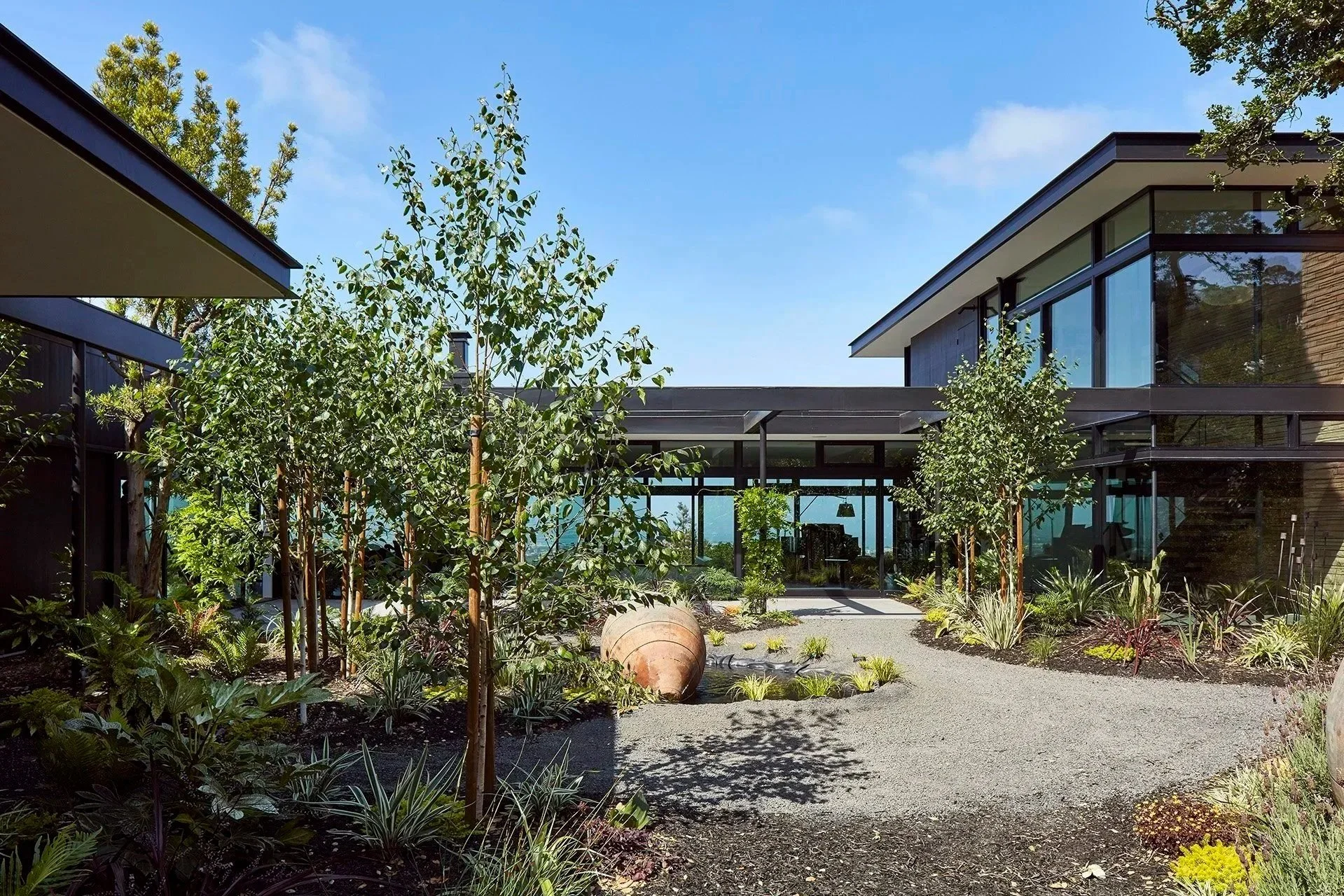
Image: Berkeley House; Photographer; Russell Abraham